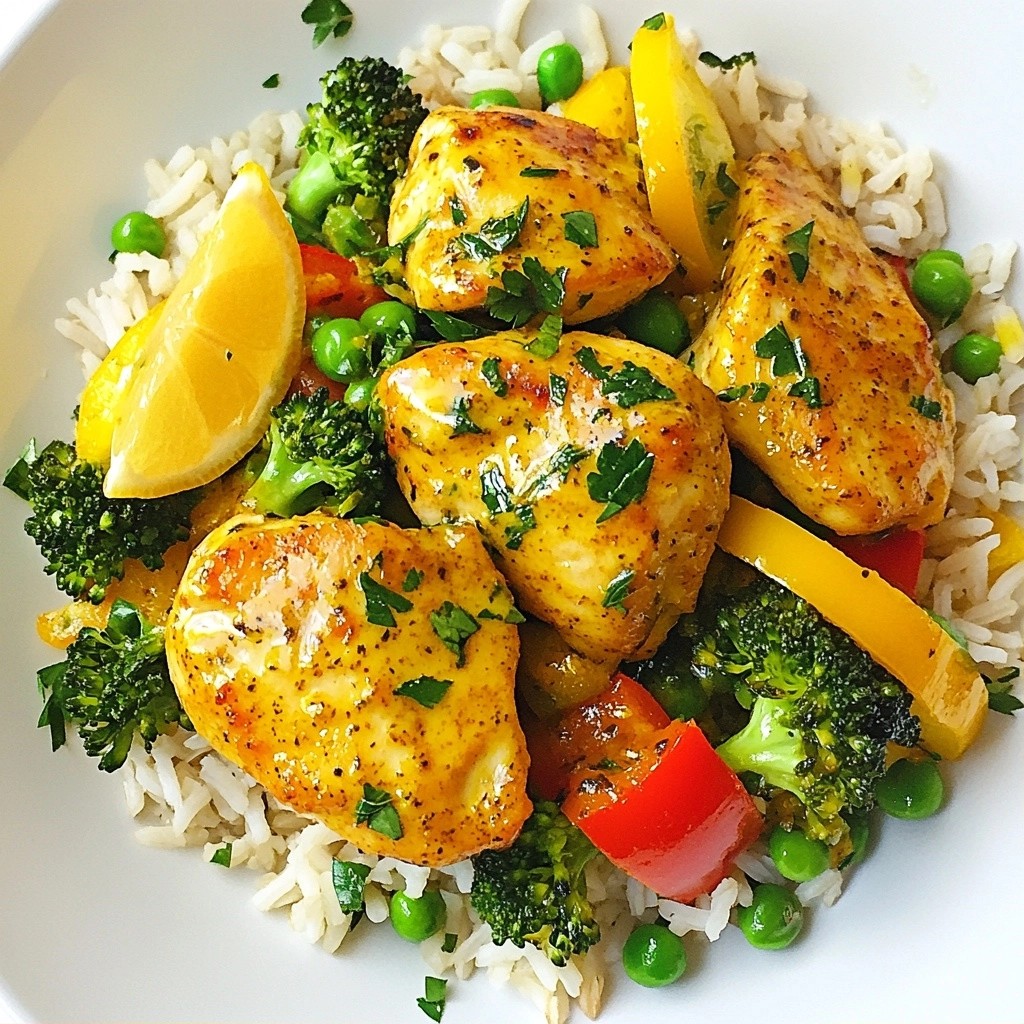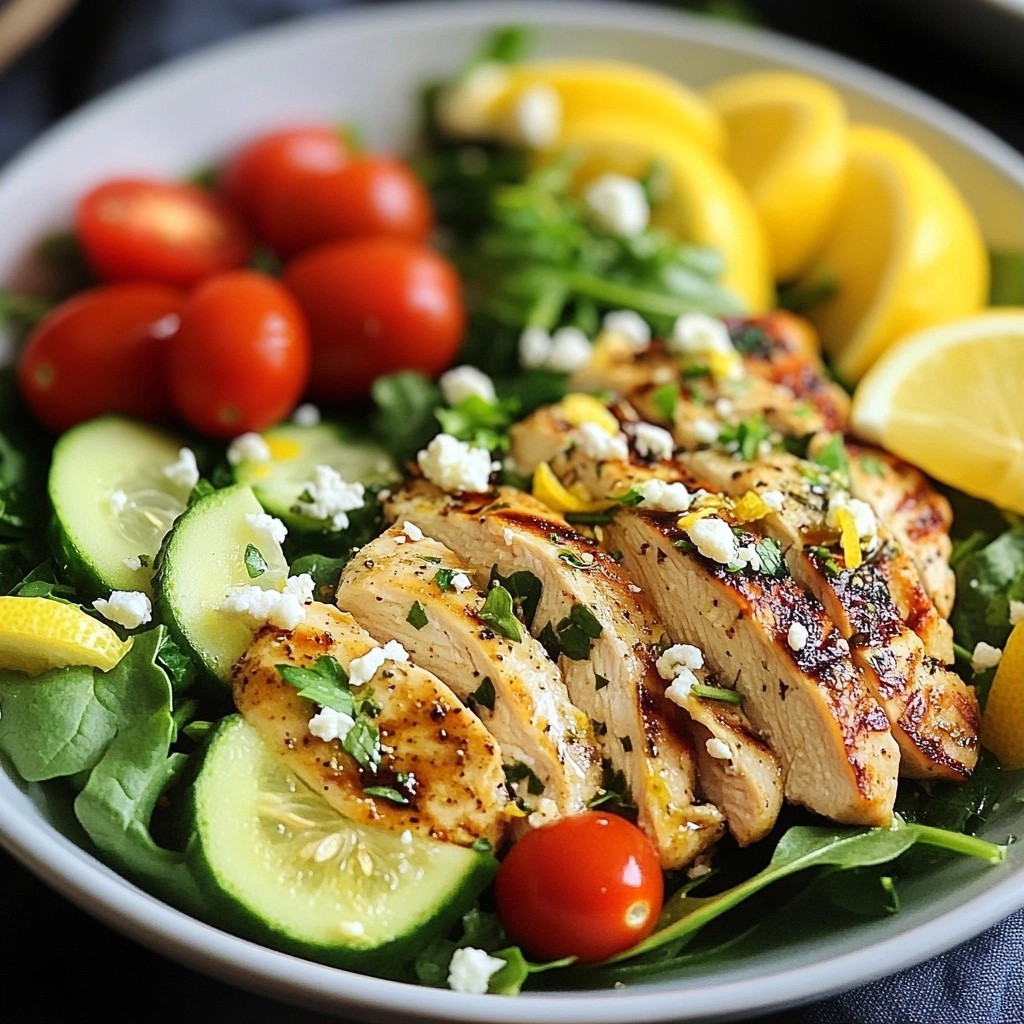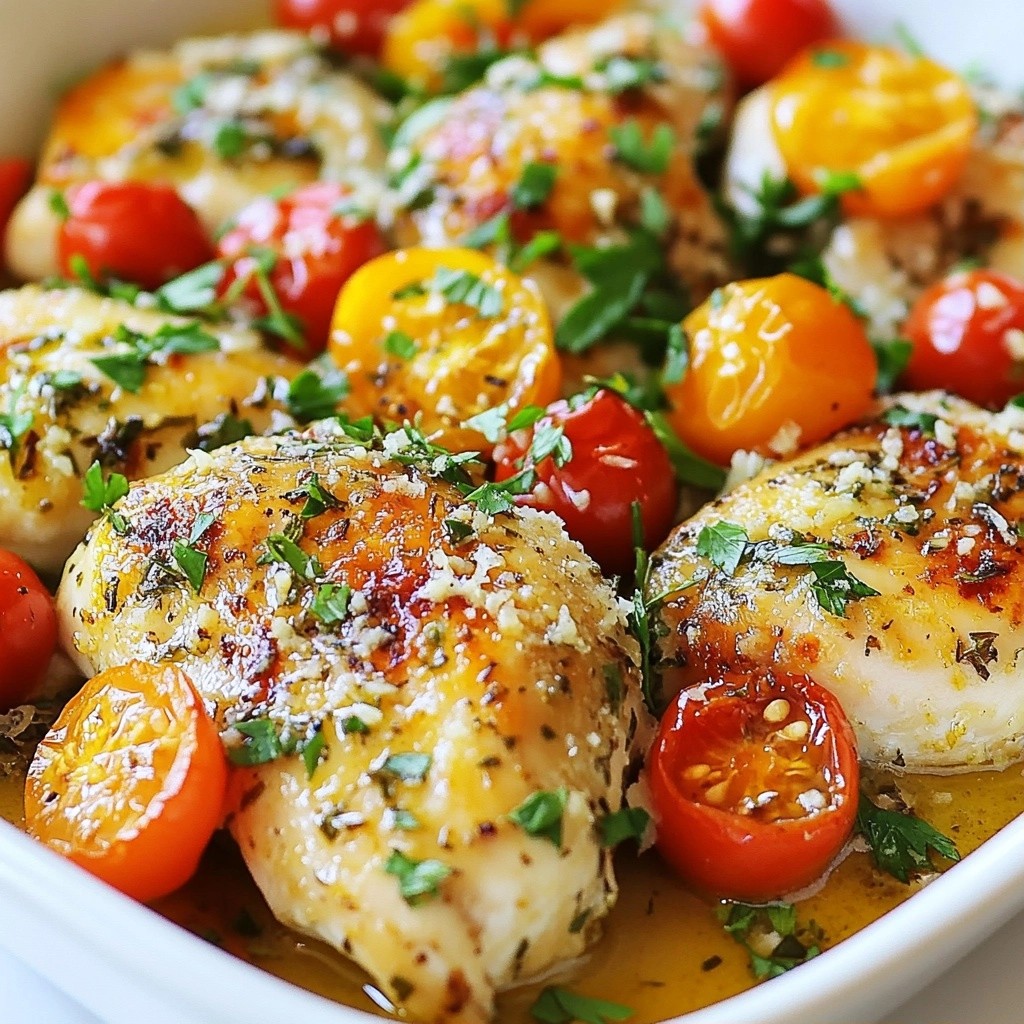
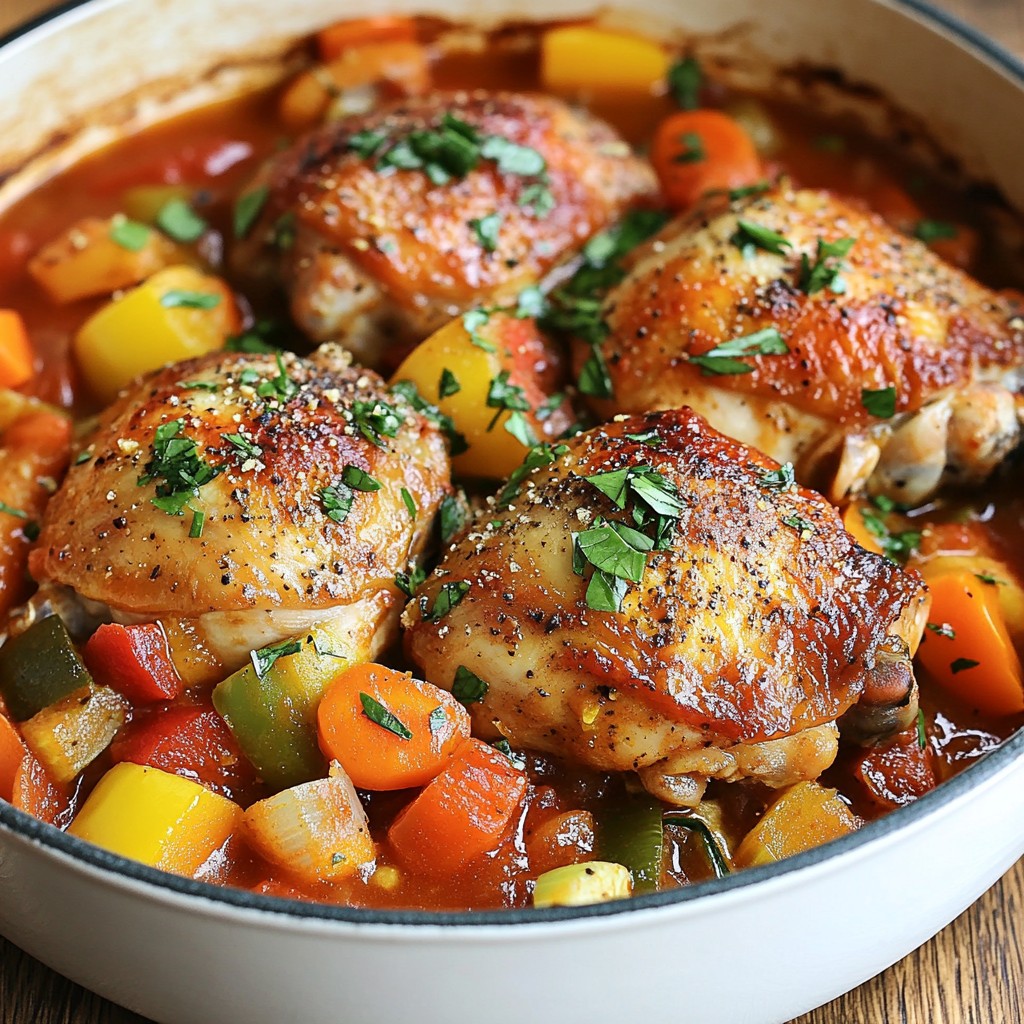
Looking for a simple yet hearty meal? One-Pot Chicken Cacciatore with Vegetables is your answer! This dish combines juicy chicken thighs with fresh veggies in a rich tomato sauce. You can make it all in one pot, saving time on clean-up and cooking. Ready to learn how to whip this tasty meal together? Let’s dive into the easy steps and tips for a delicious dinner that warms the soul.
Why I Love This Recipe
- Easy to Prepare: This one-pot meal simplifies cooking and cleanup, making it perfect for busy weeknights.
- Flavorful Ingredients: The combination of chicken, vegetables, and aromatic herbs creates a rich and satisfying dish.
- Versatile: You can customize the vegetables based on what's in season or your personal preferences.
- Comfort Food: This hearty dish is perfect for cozy dinners and is sure to please the whole family.
Ingredients
Main Ingredients
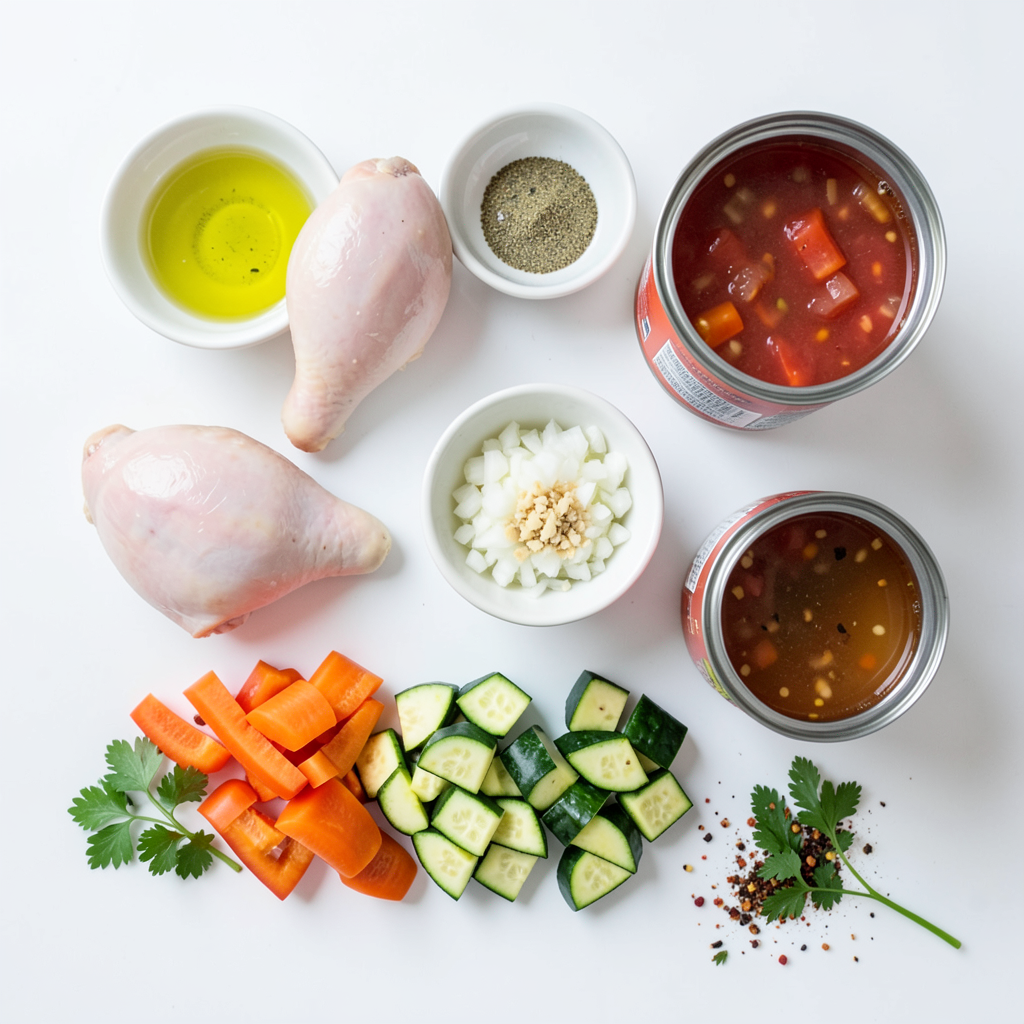
- 4 chicken thighs, bone-in and skin-on
- 1 medium onion, diced
- 1 bell pepper, sliced (red or yellow for sweetness)
- 2 carrots, sliced
- 1 zucchini, diced
- 3 cloves garlic, minced
- 1 teaspoon dried oregano
- 1 teaspoon dried basil
- ½ teaspoon red pepper flakes
Chicken thighs are the star of this dish. Their skin creates a nice, crispy texture. The meat stays moist and tender as it cooks. I love to use a mix of vegetables for color and flavor. The onion adds sweetness, while the bell pepper and carrots give crunch. Zucchini brings a nice freshness to the meal. Garlic adds that wonderful aroma that fills your kitchen.
Pantry Staples
- 2 tablespoons olive oil
- 1 can (14 oz) diced tomatoes (with juice)
- 1 cup low-sodium chicken broth
Olive oil is essential for searing the chicken. It helps build flavor in the pot. Diced tomatoes add a rich base for the sauce. Chicken broth enhances the taste and keeps the dish moist. These pantry staples help create a delicious meal without much fuss.
Optional Ingredients
- Fresh parsley for garnish
- Salt and pepper to taste
Adding fresh parsley as a garnish makes the dish pop. It adds a lovely green color and freshness to the meal. Salt and pepper are vital for adjusting the flavor. Always taste your dish before serving. This helps ensure that every bite is full of flavor.
Step-by-Step Instructions
Preparing the Chicken
To start, we need to sear the chicken thighs. First, heat two tablespoons of olive oil in a large pot over medium-high heat. Season the chicken thighs with salt and pepper. Place them skin-side down in the pot. Sear for about 5 to 7 minutes until the skin is golden brown. Flip the chicken and sear the other side for another 5 minutes. Once done, remove the chicken and set it aside.
Cooking the Vegetables
Next, we will cook the vegetables. In the same pot, add the diced onion. Sauté the onion for about 3 to 4 minutes until it turns soft and translucent. Then, add the minced garlic. Sauté for another minute until it smells great. Now, we will add the sliced bell pepper, carrots, and zucchini. Cook these for about 5 minutes, stirring often. You want the veggies to soften just a bit.
Combining Ingredients
Now it's time to mix in the other ingredients. Pour in the can of diced tomatoes, juice included. Next, add the chicken broth. Stir in the dried oregano, basil, and red pepper flakes. Bring everything to a gentle simmer.
After that, return the seared chicken to the pot. Nestle the chicken into the sauce and vegetables. Make sure it is covered well.
Simmering
Cover the pot with a lid and reduce the heat to low. Let it simmer for about 30 to 35 minutes. This will cook the chicken through and make it tender. Check the chicken during cooking to ensure it is done. You can use a meat thermometer to check for safety. The internal temperature should reach 165°F.
Tips & Tricks
Enhancing Flavor
To boost the taste of your chicken cacciatore, use salt and pepper wisely. Taste the sauce as you cook. If it needs more kick, add a bit more salt or pepper. You can also try different herbs. Fresh basil or oregano can add a nice touch. If you like heat, add more red pepper flakes.
Cooking Techniques
Searing chicken thighs well is key to great flavor. Start with a hot pot. Add oil and wait until it shimmers. Place the chicken skin-side down. Let it cook without moving it for 5-7 minutes. This helps get a nice brown color. Flip the chicken and sear the other side for 5 more minutes. To keep chicken juicy, don’t cook it too long. Simmer gently to keep the meat tender.
Serving Suggestions
Serve your chicken cacciatore in deep bowls. Spoon sauce and veggies on top for a colorful look. Crusty bread is perfect for soaking up the sauce. If you want something different, polenta is a great option. It adds a creamy base to this hearty meal. For a nice touch, sprinkle fresh parsley on top before serving.
Pro Tips
- Use Fresh Herbs: Fresh basil and oregano can elevate the flavors significantly. Add them just before serving for a burst of freshness.
- Deglaze the Pan: After sautéing the vegetables, consider adding a splash of white wine to deglaze the pan. This adds depth to the sauce and enhances the overall flavor.
- Adjust Spice Levels: If you prefer a milder dish, reduce the amount of red pepper flakes. Conversely, for more heat, add more to taste.
- Rest the Chicken: Let the chicken rest for a few minutes after cooking before serving. This helps retain the juices and keeps the meat tender.
Variations
Ingredient Substitutions
You can use boneless chicken thighs instead of bone-in. This saves time and makes serving easier. Boneless thighs cook faster and still stay juicy. You can also swap vegetables based on what you have. Use seasonal veggies like asparagus in spring or butternut squash in fall. This way, your dish changes with the seasons, keeping it fresh and exciting.
Dietary Adaptations
If you need gluten-free options, check your broth and tomatoes. Most canned tomatoes and broth are gluten-free. For low-carb choices, skip the carrots or reduce the amount. You could also replace the chicken with a mix of mushrooms and eggplant. This makes a great vegetarian version that still feels hearty.
Flavor Variations
Want it spicier? Add more red pepper flakes or some diced jalapeños. You can also make it rich by adding a splash of red wine. This adds depth and a nice flavor twist. Just let it simmer a bit longer to cook off the alcohol. Each change can create a new and delicious dish.
Storage Info
Refrigeration
Store your One-Pot Chicken Cacciatore in an airtight container. This keeps it fresh. Let it cool down before sealing. Glass or plastic containers work great. If you can, use shallow containers. This helps food cool faster. It can last in the fridge for up to four days.
Freezing
To freeze your Chicken Cacciatore, let it cool completely first. Use freezer-safe containers or bags. Make sure to remove air from bags. Label them with the date. It can last in the freezer for about three months. To thaw, place it in the fridge overnight. You can also use the microwave for quick thawing. When ready to eat, reheat on the stove or microwave until hot.
Shelf Life
In the fridge, your dish will stay good for four days. In the freezer, it lasts about three months. Always check for signs of spoilage. If it smells off or has a strange color, it’s best to toss it. Safe food means happy cooking!
FAQs
Can I use chicken breast instead of thighs?
Yes, you can use chicken breast. However, the cooking time will change. Chicken breasts cook faster than thighs. You should reduce the simmer time to about 20-25 minutes. This helps keep the chicken moist and tender.
What can I serve with One-Pot Chicken Cacciatore?
You have many options for sides. Here are a few ideas:
- Crusty bread to soak up the sauce
- Polenta for a creamy base
- A fresh green salad for crunch
- Steamed rice to balance the dish
How do I make this recipe in a slow cooker?
To cook this dish in a slow cooker, sear the chicken first. Then, place the chicken in the slow cooker. Add all the veggies, tomatoes, and broth on top. Set it to low for 6-8 hours or high for 3-4 hours. This method allows the flavors to blend beautifully.
This blog post covers the essentials for making a delicious One-Pot Chicken Cacciatore. We discussed the key ingredients and steps needed to create this hearty dish. You learned helpful tips for enhancing flavors and adapting the recipe to suit your dietary needs. Remember, cooking is about experimenting. Don’t hesitate to try new flavors or swap ingredients. With practice, you'll master this dish and make it your own. Enjoy your cooking adventure!